What No One Tells You Before You Arrive: The Unwritten Rules of Japanese Campus Life
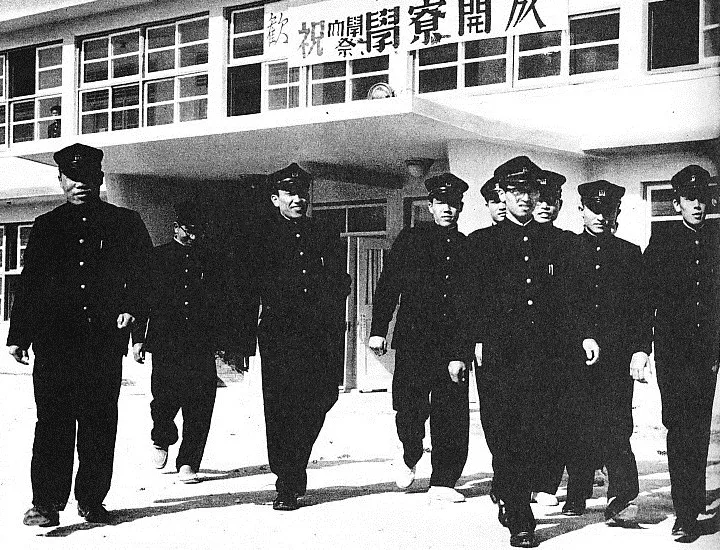
Photo: Unknown authorUnknown author, Public domain, via Wikimedia Commons
Most American students spend months researching Japanese universities before they enroll — comparing academic programs, calculating costs, and reviewing visa requirements. Yet very few arrive prepared for the social architecture that actually shapes daily life on a Japanese campus. The rhythms of club culture, dormitory etiquette, and seasonal campus traditions form an invisible curriculum, one that no admissions office formally teaches but that every student eventually has to navigate.
Understanding this landscape before you land is not a luxury. It is, arguably, one of the most practical forms of preparation you can undertake.
Dormitory Life: Shared Spaces, Unspoken Expectations
International student dormitories in Japan vary considerably — some are modern and well-appointed, others are older facilities with shared bathrooms and communal kitchens. What they have in common, regardless of physical condition, is a culture of collective responsibility that can feel unfamiliar to American students accustomed to more individualistic living arrangements.
Noise management is taken seriously, not merely as a courtesy but as a genuine social obligation. Quiet hours are observed rigorously, and even during permitted hours, the expectation of restraint is present. Cooking smells, late-night phone calls, and hallway conversations at elevated volumes are all noticed — and remembered. In many dormitories, residents rotate cleaning duties for shared spaces, and participation in these rosters is not considered optional.
Perhaps more surprising to American students is the concept of collective reputation. In some university dormitories, the behavior of one resident can reflect on the entire floor or building in the eyes of dormitory staff. This is not a punitive system so much as a cultural orientation — one that prizes group harmony over individual expression. Recognizing this early can help you avoid inadvertently creating friction with peers who may not feel comfortable addressing a concern directly.
It is also worth noting that mixed-gender dormitories, while increasingly common, often maintain stricter guest policies than American students expect. Understand your institution's specific rules before making assumptions.
Club Culture: The Heart of Japanese University Social Life
If dormitory life shapes your private world, club activities — known in Japanese as bukatsu or, at the university level, sākuru (circles) — define your public one. Japanese universities host hundreds of student clubs, ranging from competitive sports teams and traditional arts societies to casual hobby groups and volunteer organizations. For many Japanese students, their club affiliation is the primary social identity they carry throughout their university years.
For American students, the appeal is obvious: clubs offer an immediate, structured entry point into campus community. However, the experience of joining one differs meaningfully from what you might expect back home.
First, hierarchy within clubs is taken seriously. Older members — senpai — hold a level of authority that newer members, or kōhai, are expected to respect. This is not a matter of mere politeness. It governs how tasks are distributed, who speaks during meetings, and even how seating is arranged at group dinners. As an American student, you may initially interpret this structure as formal or even rigid. Over time, however, many international students come to appreciate the clarity it provides and the mentorship it can produce.
Second, commitment levels vary enormously between club types. Competitive sports clubs, particularly in traditional disciplines, may require near-daily attendance and significant time investment. Casual circles tend to be far more flexible. Before joining, it is worth having an honest conversation — ideally through a bilingual upperclassman or an international student advisor — about what attendance expectations actually look like in practice.
Third, and perhaps most importantly: joining a club is one of the single most effective ways to form genuine friendships with Japanese peers. Many American students who struggle socially during their first semester later report that finding the right club transformed their experience entirely.
Seasonal Campus Events: Marking Time the Japanese Way
Japanese university life is organized around a calendar of collective events that carry social weight well beyond their surface-level descriptions. Understanding what these occasions mean to your Japanese classmates can help you engage with them more meaningfully.
The spring entrance ceremony (nyūgakushiki) is treated with considerable formality — new students often dress in business attire, and the event marks a genuine cultural threshold rather than a casual welcome session. The university festival (gakuensai), typically held in autumn, is a major social occasion during which clubs and student organizations run booths, performances, and events. Participation, even peripheral participation, signals investment in campus community.
Summer and winter breaks are shorter than American students typically expect — Japan's academic calendar runs from April to March, and extended holidays are less pronounced than the long American summer. Adjusting your expectations around free time and travel windows matters for both planning and social calibration.
How Japanese Students Navigate University — and What That Means for You
One of the more disorienting realizations for American students is that many Japanese university peers appear, at least initially, to be simultaneously more reserved and more deeply embedded in social networks than American classmates. This is not contradiction — it reflects a different social architecture.
Friendships in Japan often develop more slowly and deliberately than American students are accustomed to. The casual, immediate warmth that characterizes American social interaction is not a universal norm. This does not mean Japanese students are unfriendly — far from it. It means that trust is typically built through repeated, low-pressure proximity rather than through direct self-disclosure. Showing up consistently, being reliable within a shared context, and demonstrating genuine interest in others' lives are the currencies of social capital on a Japanese campus.
Language is also a more layered variable than many students anticipate. Even students who speak functional Japanese may find that social conversations move quickly, employ significant amounts of slang, or assume cultural references that take time to absorb. Patience with this learning curve — and a willingness to laugh at your own missteps — will serve you better than frustration.
Preparing for the Real Campus Experience
The most useful thing an American student can do before arriving in Japan is to reframe what success looks like during the first semester. Integration into Japanese campus life is rarely immediate. It is a process that rewards consistency, curiosity, and a genuine willingness to follow the social norms of your host community — even when those norms feel counterintuitive.
Research your specific university's dormitory policies and club offerings before you enroll. Connect with current international students through your institution's international affairs office. And approach your first weeks on campus not as a performance of adaptability, but as a genuine learning experience — one with its own curriculum, its own pace, and its own rewards.